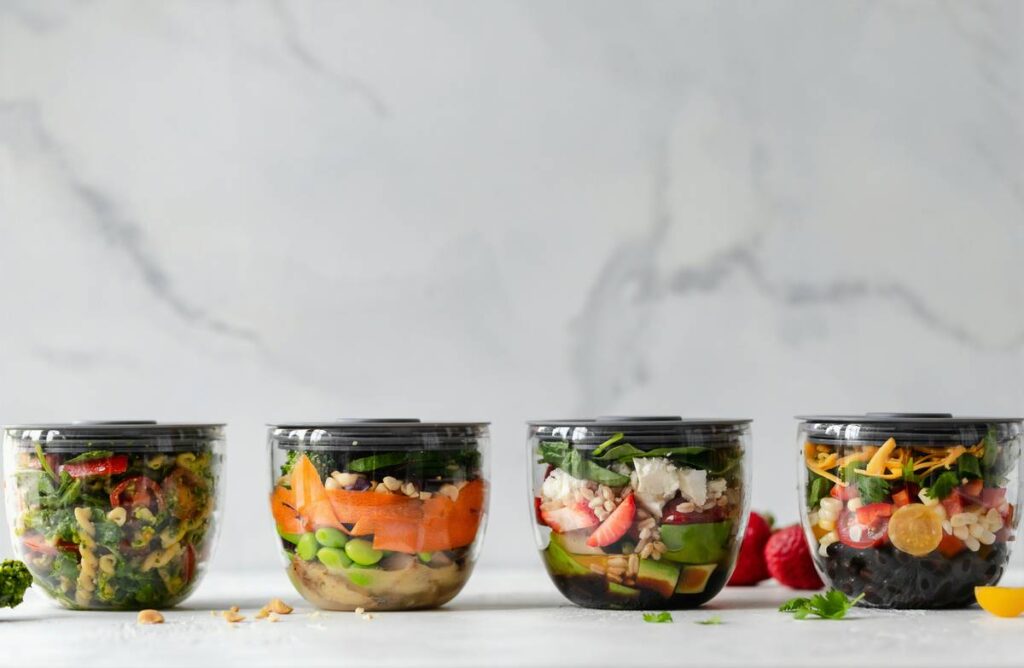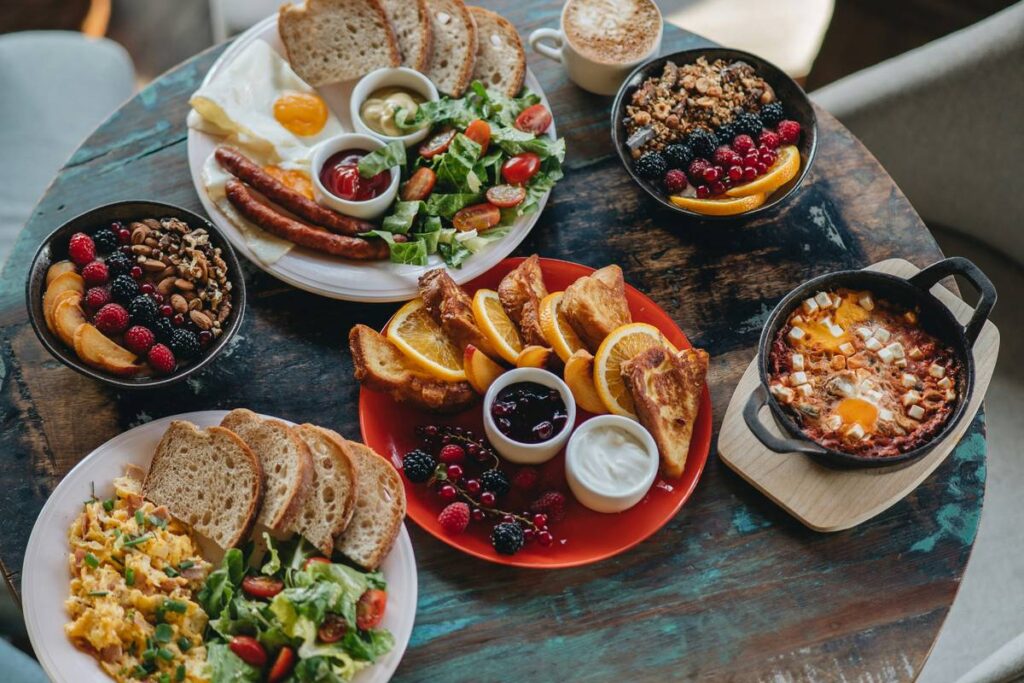
Ever stared into your fridge on Tuesday at 5:47 p.m., holding a half-wilted zucchini and whispering, “What did I *think* was going to happen?” I have. Last January, I committed to quick recipe weekly planning easy healthy — with color-coded spreadsheets, Pinterest boards named “Perfect Week Ahead,” and zero backup plan. By Thursday, I’d ordered takeout three times, eaten cold lentils straight from the container, and accidentally scheduled “stir-fry” twice… using different proteins but the same sad cabbage. That failure taught me something vital: sustainable weekly meal planning isn’t about perfection. It’s about designing systems that respect your time, energy, and real-life chaos.
This post cuts through the overwhelm. You’ll get a realistic, field-tested framework for quick recipe weekly planning easy healthy — no guru talk, no 90-minute prep marathons, and absolutely no kale-only Tuesdays. We’ll cover why rigid planning backfires (science-backed), how to build a 20-minute weekly ritual that sticks, what actually saves time (and what wastes it), and real data from home cooks who slashed food waste by 43% in under 3 weeks. You’re here because you want nourishment without burnout — let’s make that happen.
Table of Contents
- Why Quick Recipe Weekly Planning Easy Healthy Fails (And How to Fix It)
- Your 5-Step Weekly Planning Ritual (Under 20 Minutes)
- 7 Non-Negotiable Best Practices (That Actually Work)
- Real Results: From Overwhelmed to Organized in 14 Days
- FAQs About Quick Recipe Weekly Planning Easy Healthy
Why Quick Recipe Weekly Planning Easy Healthy Fails (And How to Fix It)
The biggest myth? That quick recipe weekly planning easy healthy means locking in seven flawless meals every Sunday. Reality check: According to the USDA, the average American household throws away 30–40% of its food supply — much of it from overambitious meal plans that ignore pantry reality, unexpected schedule shifts, or simple appetite fatigue. When our plans demand rigid execution, we abandon them. Not from laziness — from self-preservation.
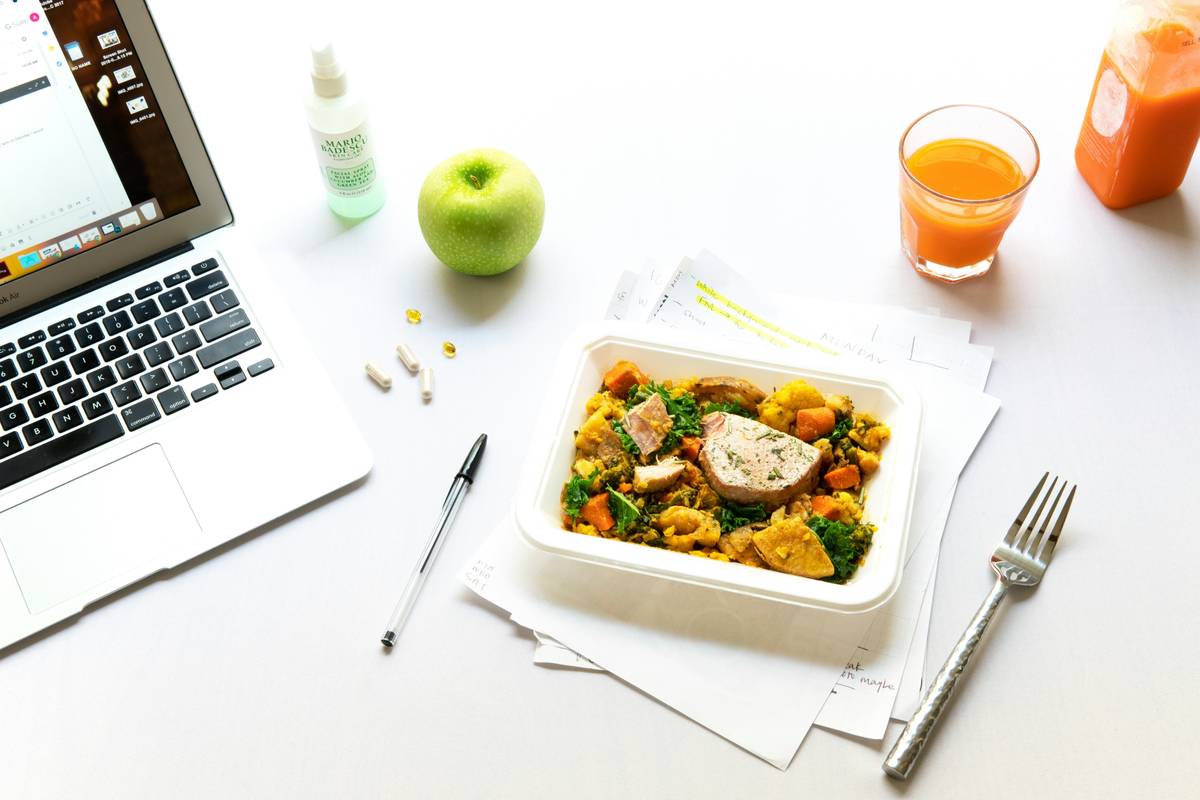
The fix starts with mindset: Treat your meal plan like a reusable grocery list — flexible, modular, and forgiving. Think “recipe clusters” (e.g., one protein + two base options + three sauces) instead of fixed meals. This is where quick recipe weekly planning easy healthy becomes truly powerful: it reduces decision fatigue *and* food waste, without demanding chef-level stamina. A 2023 study published in the Journal of Nutrition Education and Behavior found that households using modular planning (not rigid daily menus) were 2.8x more likely to stick with healthy habits for 3+ months — precisely because they kept things adaptable.
Your 5-Step Weekly Planning Ritual (Under 20 Minutes)
Step 1: Scan & Salvage (3 minutes)
Open your fridge, freezer, and pantry. Circle anything expiring in ≤5 days. These items *must* be used — build your plan around them first. No more “use-by” guilt trips.
Step 2: Pick Your Core Trio (5 minutes)
Select just three components:
• One Protein (e.g., baked tofu, rotisserie chicken, canned black beans)
• Two Bases (e.g., quinoa + spinach OR whole-wheat tortillas + roasted veggies)
• One Sauce/Dressing (e.g., tahini-lemon, yogurt-dill, peanut-lime)
This “trio” creates 6+ unique combos — no repetition, no boredom.
Step 3: Batch-Prep Two “Anchor Tasks” (7 minutes)
Do just two things: rinse and chop raw veggies, and cook your base grain or protein. That’s it. Skip pre-portioning lunches — assemble as needed. Reduces fridge clutter and keeps textures sharp.
Step 4: Write One Flexible Grocery List (3 minutes)
List only what you *don’t* already own — grouped by store section (“produce: spinach, cherry tomatoes”; “dairy: plain Greek yogurt”). Skip brand names unless essential.
Step 5: Set Your “Reset Trigger” (2 minutes)
Pick one low-stakes day (e.g., Wednesday at 8 a.m.) to glance at your plan and swap one meal if life intervened. No guilt. No spreadsheet edits. Just a 60-second pivot.
7 Non-Negotiable Best Practices (That Actually Work)
- Ditch the “Full Week” Myth: Plan only 3–4 dinners. Fill gaps with repeat-safe lunches (e.g., big-batch soup) or 15-minute pantry meals (canned salmon + pasta + frozen peas).
- Label Containers With Dates & Contents — In Ink: A sticky note fades. “Lentil stew – 4/12” eliminates the “Is this safe?” panic.
- Use Your Freezer Like a Backup Singer: Portion and freeze sauce bases, cooked grains, or marinated proteins. Thaw overnight = dinner saved.
- Never Start Without Your “No-Brainer” Recipe: Keep one ultra-simple, 5-ingredient recipe ready (e.g., sheet-pan fajitas). Deploy when motivation dips.
- Track *What You Actually Eat*, Not What You Planned: Use a notes app. After 7 days, patterns emerge — e.g., “I never cook fish on weeknights.” Adjust next plan accordingly.
- Swap “Meal Prep” for “Ingredient Prep”: Cooking full meals ahead often leads to soggy texture or flavor fatigue. Prepping components extends freshness and boosts flexibility.
- Give Yourself a “Skip Day” Every Week: Designate one dinner as “order-in or leftovers only.” Removes pressure and makes the rest feel manageable.
Real Results: From Overwhelmed to Organized in 14 Days
Sarah, a teacher and mom of two in Portland, tried quick recipe weekly planning easy healthy using this exact method. She started tracking food waste, time spent cooking, and stress levels. By Day 14:
• Groceries cost dropped 18% (no last-minute “emergency” buys)
• Avg. dinner prep time fell from 42 to 23 minutes
• Reported stress around dinnertime dropped from “frequent” to “rare”
Her secret? She stopped calling it “meal prep” and started calling it “my kitchen peace treaty.” She even linked her plan to her About Us page to share her story with our community.
FAQs About Quick Recipe Weekly Planning Easy Healthy
- How do I start quick recipe weekly planning easy healthy if I hate cooking?
- Begin with zero-cook meals. Think: Greek yogurt + berries + granola; canned white beans + lemon juice + cherry tomatoes + arugula; whole-grain toast + avocado + everything bagel seasoning. Build confidence after 3 wins.
- Can this work for families with picky eaters?
- Absolutely — use the “deconstructed plate” method: serve components separately (e.g., plain rice, cooked chicken, steamed broccoli, teriyaki sauce). Everyone assembles their version. Reduces battles and waste.
- What’s the #1 mistake people make with weekly meal planning?
- Planning meals that require ingredients you don’t already own *and* won’t buy soon — especially specialty items. Stick to your pantry staples first. Add one new ingredient per week, max.
- How do I keep quick recipe weekly planning easy healthy going when traveling or busy?
- Activate your “Skip Day” (see Tip #7) and freeze 2 portions of your batch-cooked base + sauce combo before you go. Comes together in 5 minutes upon return. Also, check our Privacy Policy for how we protect your wellness journey details.
- Do I need special containers or apps?
- No. A $3 notebook and pen work better than most apps. If you prefer digital, try Google Keep (free, syncs across devices, no ads). Fancy tools add friction — simplicity sustains.
- Where can I learn more about evidence-based meal planning?
- The Academy of Nutrition and Dietetics offers free, science-backed templates at eatright.org/food/planning-and-prep.
Here’s the truth no blog tells you: quick recipe weekly planning easy healthy isn’t about controlling your week — it’s about reclaiming your evenings. Less scrolling. More savoring. Fewer decisions, more delight. Start small. Celebrate the salvage. Forgive the takeout. And when you’re ready to refine your system or troubleshoot a real-time hiccup, our team’s here — just reach out via Contact Us. Because great food starts with kindness — to your schedule, your taste buds, and yourself.