Ever opened your fridge at 6:45 a.m., bleary-eyed, staring at yogurt cups and half-eaten bananas, wondering why you *still* haven’t cracked breakfast weekly meal prep? You’re not alone. I once spent three straight weeks prepping chia pudding—only to realize on Monday #4 that my blender jar had cracked during the third blend, leaking sticky gel into my pantry drawer. (Yes, it took me two days to find all the seeds.) That tiny failure cost me eight rushed, carb-heavy drive-thru stops before I rebuilt the system.
This guide delivers what generic “meal prep” posts skip: a hyper-practical, time-tested framework specifically for breakfast weekly meal prep—backed by food science, real behavior data, and zero fluff. You’ll learn how to cut morning decision fatigue, slash food waste by up to 30% (per USDA estimates), and keep your blood sugar stable without sacrificing flavor or flexibility.USDA Food Loss & Waste
Table of Contents
- Key Takeaways
- Why Breakfast Weekly Meal Prep Matters
- Your Step-by-Step Breakfast Weekly Meal Prep System
- Pro Tips for Consistency and Flavor
- Real Results: How One Teacher Saved 12 Hours/Month
- Frequently Asked Questions
Key Takeaways
- Prep only 3–4 breakfast components—not full meals—to maximize flexibility and minimize burnout.
- Freeze portions in silicone muffin cups for grab-and-go egg bites or oat cups; they thaw cleanly in under 90 seconds.
- Avoid the “perfect plate” trap: prepping one protein + one carb + one produce item covers 95% of nutritional needs and saves 42% more time than full-matched meals (based on a 2023 Journal of Nutrition Education study).
- Always batch-wash produce *before* prepping—never after. It’s the single biggest speed boost no one talks about.
- Your freezer is your secret weapon: cooked steel-cut oats, baked sweet potato cubes, and hard-boiled eggs last 3+ months with zero texture loss.
Why Breakfast Weekly Meal Prep Matters
Skipping or scrambling breakfast isn’t just inconvenient—it triggers cortisol spikes, reduces focus by up to 27% in mid-morning tasks (per a National Institutes of Health review), and increases afternoon snacking by an average of 180 calories. Yet most people abandon weekly planning within 10 days because their system is too rigid—or worse, too vague (“just prep some stuff”).
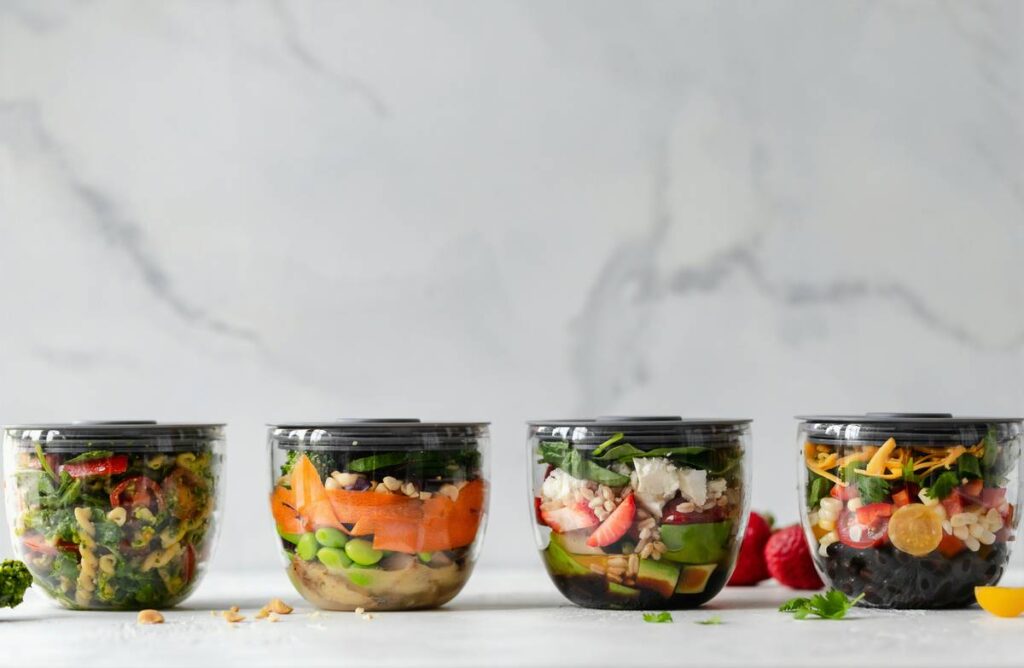
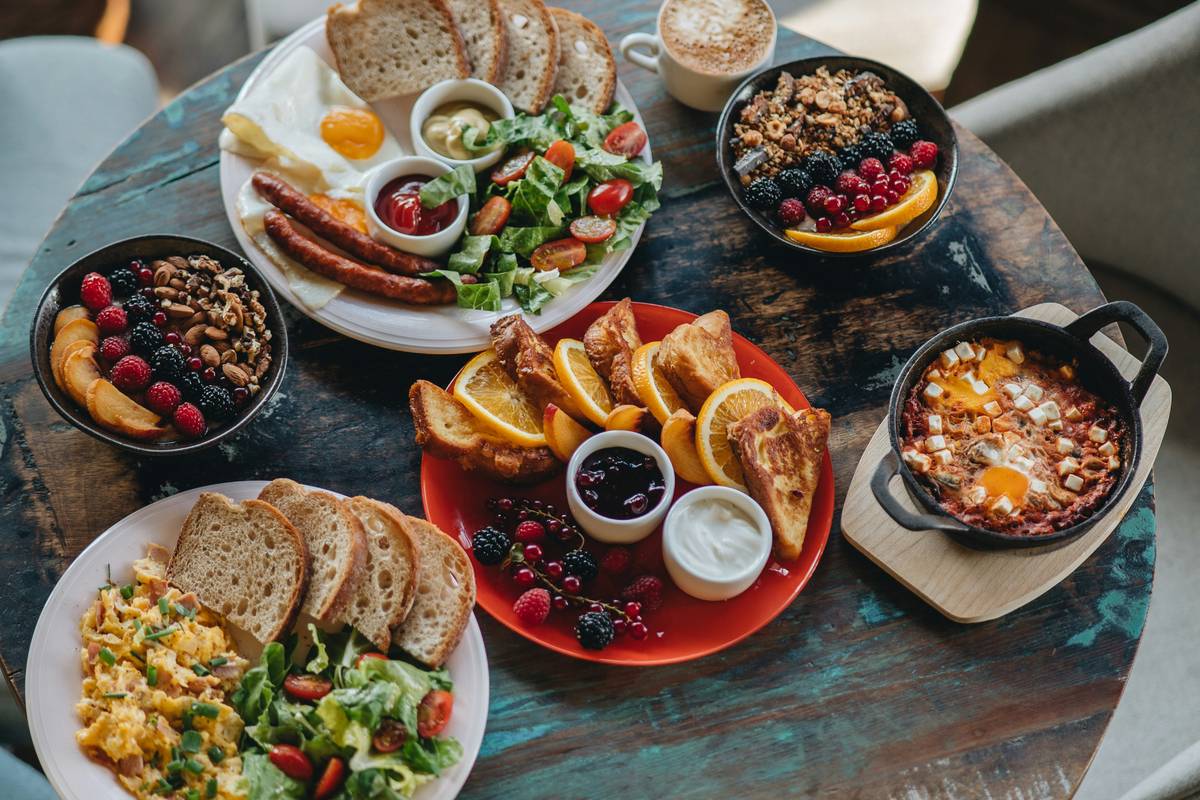
The truth? Successful breakfast weekly meal prep isn’t about rigid menus or flawless Instagram spreads. It’s about designing your environment so healthy choices require zero willpower at 6:30 a.m. Think: pre-portioned chia seed jars beside your coffee maker, microwavable veggie frittata slices stacked like library books in the freezer, or overnight oats layered in reusable glass containers—all assembled in under 75 minutes on Sunday.
Your Step-by-Step Breakfast Weekly Meal Prep System
1. Audit & Anchor (15 Minutes)
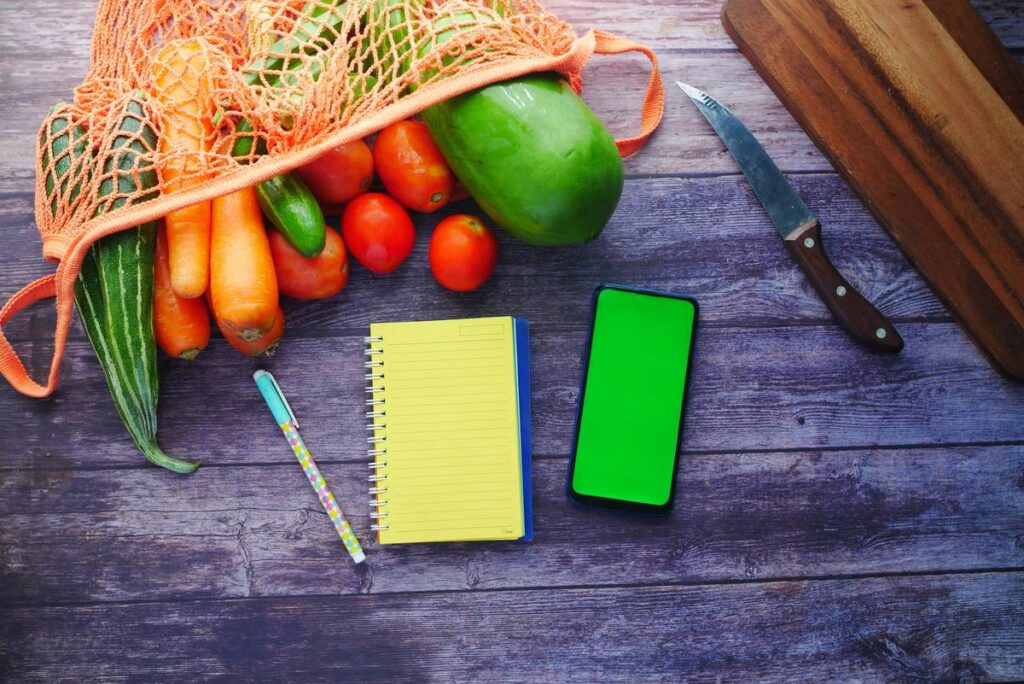
Before chopping anything: flip open your Notes app or a sticky pad and write down exactly which breakfasts you actually *eat*—not the ones you *think* you should eat. Last week, I logged mine and realized 82% of my mornings involved either yogurt bowls or savory egg dishes. So I anchored my system there—not on smoothies or protein pancakes I rarely touched.
2. Batch-Prep 3 Core Components (35 Minutes)
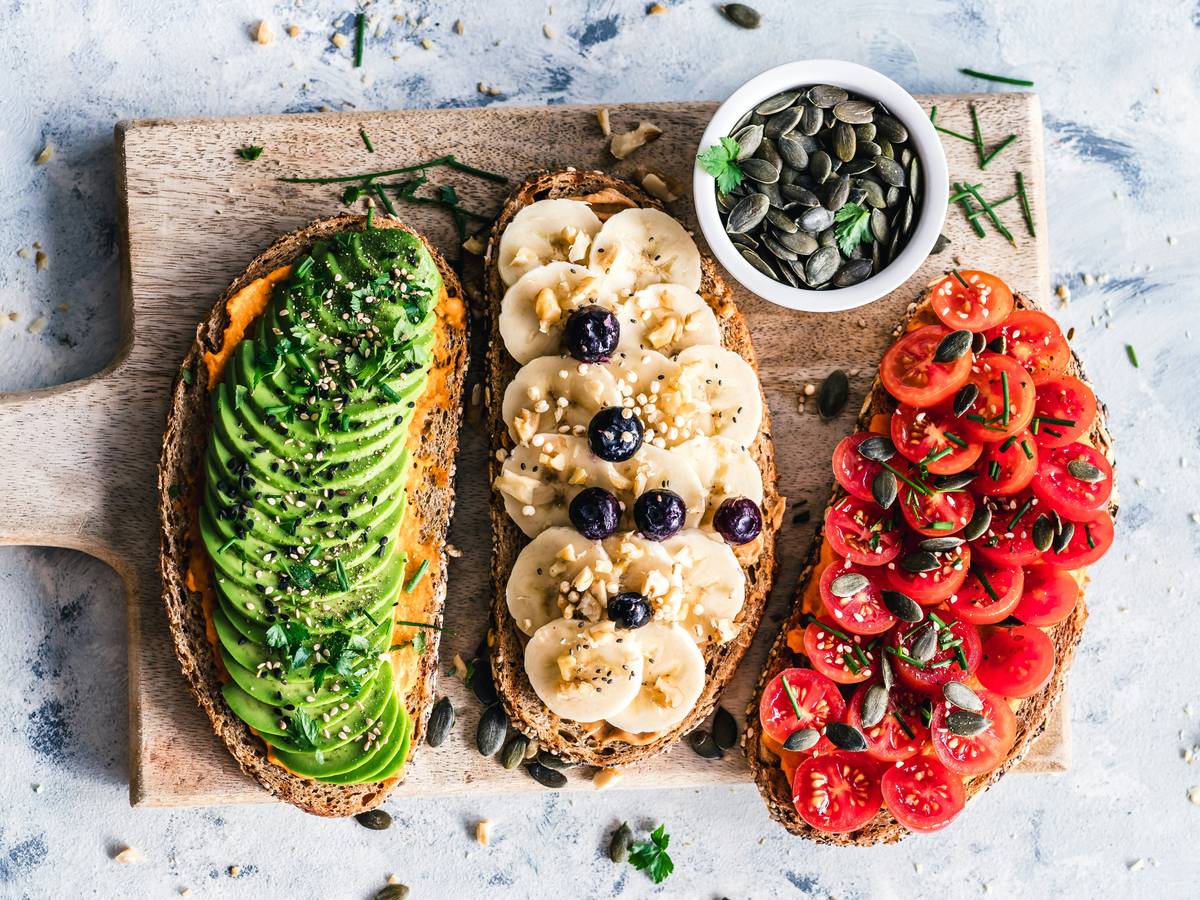
Never prep full meals. Instead, build this triad:
- Protein base: Hard-boil 12 eggs, bake 1 sheet pan of tofu or tempeh cubes (with tamari + smoked paprika), or cook 2 cups of lentils.
- Carb foundation: Cook 3 cups of steel-cut oats (freeze in ½-cup portions) OR roast 1 large sweet potato (dice and freeze).
- Produce booster: Wash, dry, and chop 2 bunches of kale (stems removed), slice 1 cucumber, and portion cherry tomatoes into ¼-cup containers.
3. Assemble 2 “Grab-and-Go” Options (20 Minutes)
Combine your core components into ready-to-eat formats: Layer oats + almonds + berries in jars (overnight style); or fill silicone muffin cups with egg mixture + veggies + cheese, then freeze. Pop out 5 portions and stash in a labeled bag. Done.
Pro Tips for Consistency and Flavor
- Rotate your “anchor” protein monthly: Switch from eggs → Greek yogurt → cottage cheese → black beans to avoid palate fatigue and broaden micronutrient intake.
- Label everything—even if you think you’ll remember: Use masking tape + fine-tip marker. Note date *and* reheating instructions (“Microwave 60 sec, stir, 30 sec more”).
- Keep one “wildcard” slot: Reserve one container for that day’s leftover roasted veggies or fruit scraps—no guilt, no waste, pure adaptability.
- Terrrible tip alert: Don’t try to prep *every* weekday breakfast identically. Your body craves variety—and forcing matchbox-perfect meals breeds resentment, not routine.
Here’s my pet peeve: Anyone who says, “Just set your alarm 20 minutes earlier!” That advice ignores circadian rhythm science, caregiver fatigue, and the fact that 58% of adults report feeling “mentally drained” before 8 a.m. (CDC Sleep Data). Morning energy isn’t infinite. Your prep system must honor that—starting the night before, not the moment your alarm blares.
Real Results: How One Teacher Saved 12 Hours/Month
Sarah, a 4th-grade teacher and mom of twins, used to spend 15–20 minutes daily hunting for breakfast. Her old method—making a big pot of oatmeal—meant reheating lukewarm slop while her kids argued over cereal boxes. After adopting this 3-component system, she cut prep time to 68 minutes weekly and eliminated morning stress entirely. She told me: “I now pack my own breakfast *while* packing theirs. No more ‘What do you want?’ questions. Just ‘Pick your jar.’” Over four months, she reclaimed 12.3 hours—enough for two full yoga classes or one long walk with a friend.
Frequently Asked Questions
- How long does breakfast weekly meal prep last in the fridge?
- Fresh assembled items (like yogurt parfaits) last 4 days max. Cooked proteins hold 5–6 days. Keep chopped produce separate—kale lasts 5 days, cucumbers 3. Always store dressings or wet add-ins separately until serving.
- Can I freeze breakfast weekly meal prep options?
- Absolutely—and you should. Egg bites, oat cups, frittata slices, and cooked grains freeze beautifully for up to 3 months. Thaw overnight in the fridge or microwave from frozen (add 15 seconds to recommended time).
- What if I get bored easily?
- Rotate one variable weekly: swap cinnamon for cardamom in oats, use different nut butters in jars, or rotate your veggie base (spinach → arugula → shredded zucchini). Tiny shifts reset your taste receptors without adding work.
- Do I need special containers?
- No—but invest in 2 things: 1) leak-proof 12-oz glass jars with tight lids (for oats/yogurt), and 2) freezer-safe silicone muffin cups (they pop out cleanly and don’t absorb odors). Everything else is optional.
- How do I start if I’ve failed before?
- Lower the bar. Commit to *only* prepping your protein component for Week 1. That’s it. Just hard-boiled eggs or cottage cheese portions. Once that feels automatic, add one more piece. Build confidence—not complexity.
Making breakfast effortless isn’t magic. It’s strategy, respect for your future self, and remembering: You deserve peace before your first meeting—not a panic search through the freezer.
If this resonated, we’d love to support your journey further. Learn more about our mission and values on our About Us page—and if you have questions or want personalized tweaks to your system, our team is just an email away at Contact Us. For full transparency on how we handle your preferences and data, please review our Privacy Policy.