Ever stare at an empty fridge on Sunday evening, recipe apps open on three devices, and still feel paralyzed? I did—last November. My “perfect” weekly meal planner PDF sat untouched while takeout boxes stacked up like Jenga blocks in the recycling bin. I’d spent hours building a gorgeous 28-recipe spreadsheet… only to realize it demanded 4.3 hours of prep time *per week*—more than my actual grocery budget allowed. That’s when I scrapped the fantasy and rebuilt from real life: messy kitchen counters, kid veto power, and that one pan you always forget to wash. This isn’t theoretical meal prep. It’s weekly meal planning that actually sticks.
Table of Contents
- Why a weekly meal planner PDF matters (and why most fail)
- How to create your own weekly meal planner PDF—in under 22 minutes
- 6 realistic tips no blog tells you (but every home cook needs)
- Real results: How Sarah cut food waste by 63% in 3 weeks
- FAQs about printable weekly meal planners
Why a weekly meal planner PDF matters (and why most fail)
A well-designed weekly meal planner PDF isn’t just a fancy checklist—it’s your anti-chaos shield. According to the U.S. Food and Drug Administration, the average American household throws away $1,500 worth of food yearly. Much of that stems from reactive cooking—not knowing what’s in the pantry, overbuying “just in case,” and scrambling last-minute for dinner. A thoughtful weekly meal planner PDF solves this by aligning your shopping list, inventory, and energy levels—not just your calendar.
But here’s the hard truth: Most free PDFs fail because they ignore human logistics. They assume you’ll prep 3 lbs of roasted sweet potatoes on Tuesday *and* remember to portion them on Wednesday *and* have leftover quinoa ready Thursday night. Spoiler: You won’t. They treat meal prep like a factory shift, not family life.
I’ll never forget printing a gorgeous, pastel-colored weekly meal planner PDF—only to find it had zero space for “emergency taco night” or “kid actually ate the lentils (celebration note required).” That version lived exactly three days before becoming a coaster. That mistake taught me one thing: If your weekly meal planner PDF doesn’t leave room for joyful improvisation, it’s already obsolete.
How to create your own weekly meal planner PDF—in under 22 minutes
Step 1: Audit what’s already in your kitchen
Before opening Excel or Canva: Grab a pen, walk your pantry, fridge, and freezer. List every item with >3 days of shelf life—especially grains, canned beans, frozen veggies, and sauces. Why? Because the best weekly meal planner PDF starts with abundance—not scarcity. You’re not building from zero; you’re building from *what’s already yours.*
Step 2: Block your non-negotiables first
Mark off nights you know you’ll be out, exhausted, or hosting. Yes—even if it’s just “Wednesday = leftovers + toast.” Then slot meals *around* those anchors. Don’t start with “What sounds delicious?” Start with “What requires zero decision fatigue?”
Step 3: Build 3 anchor meals (not 7)
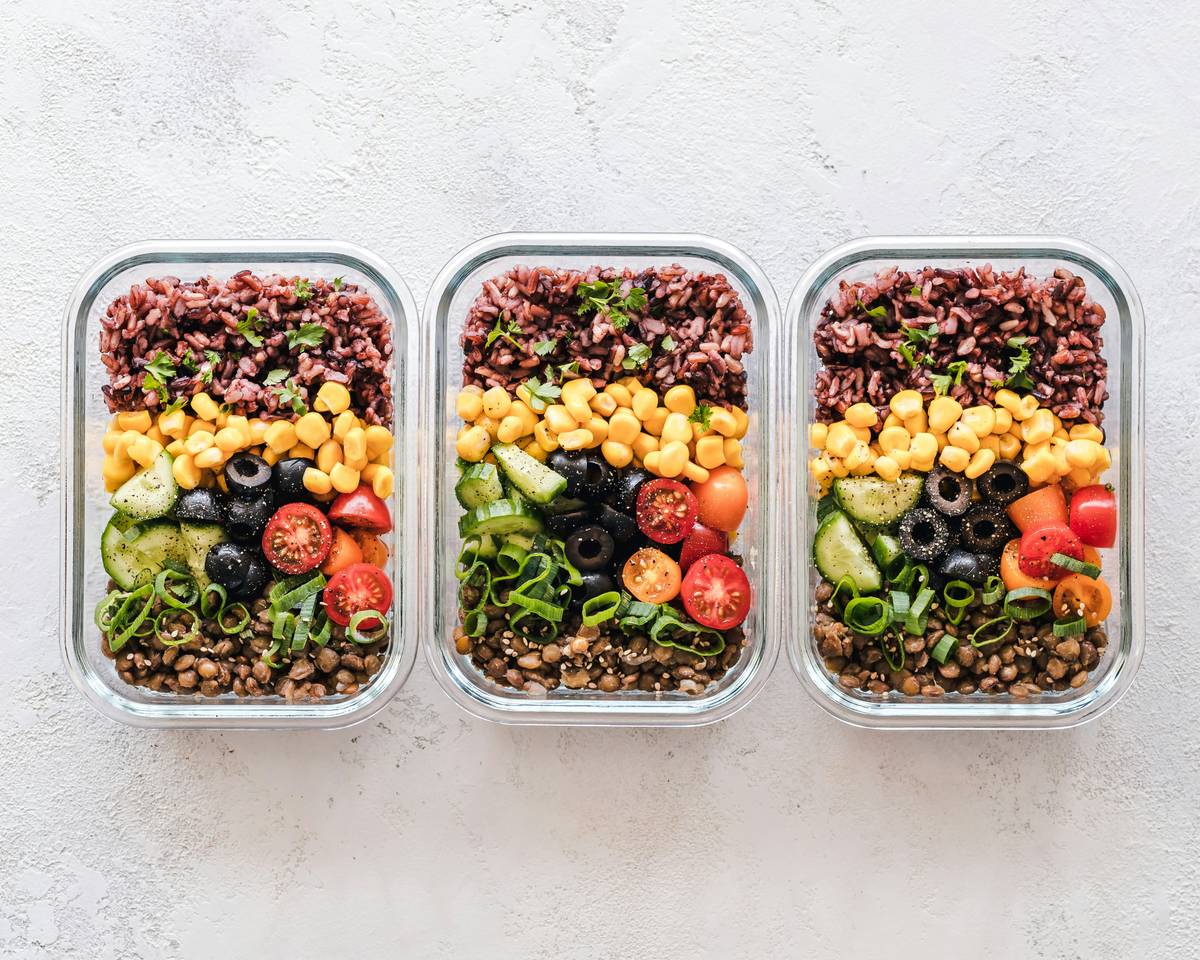
Pick *three* meals with high-reuse potential: a sheet-pan roast (chicken + root vegetables), a big-batch soup (lentil or minestrone), and a grain bowl base (quinoa or farro). These become your “flex meals”—repurposed across 3–4 dinners with simple swaps (add feta & cucumber to the grain bowl on Day 3; stir in lemon zest & herbs on Day 5).
Step 4: Design your PDF with function, not flair
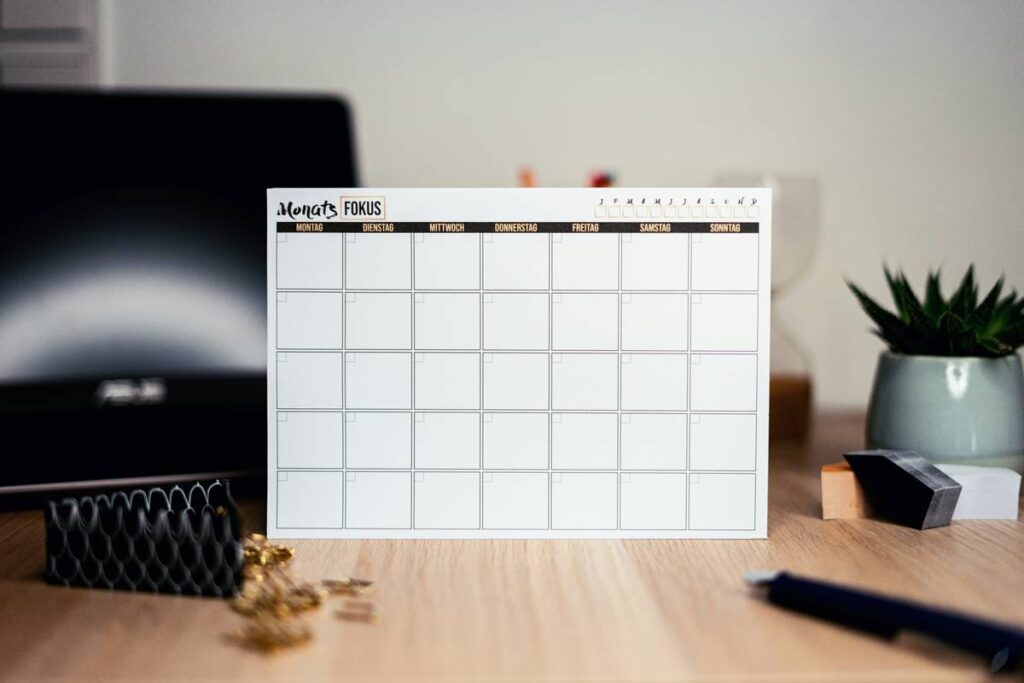
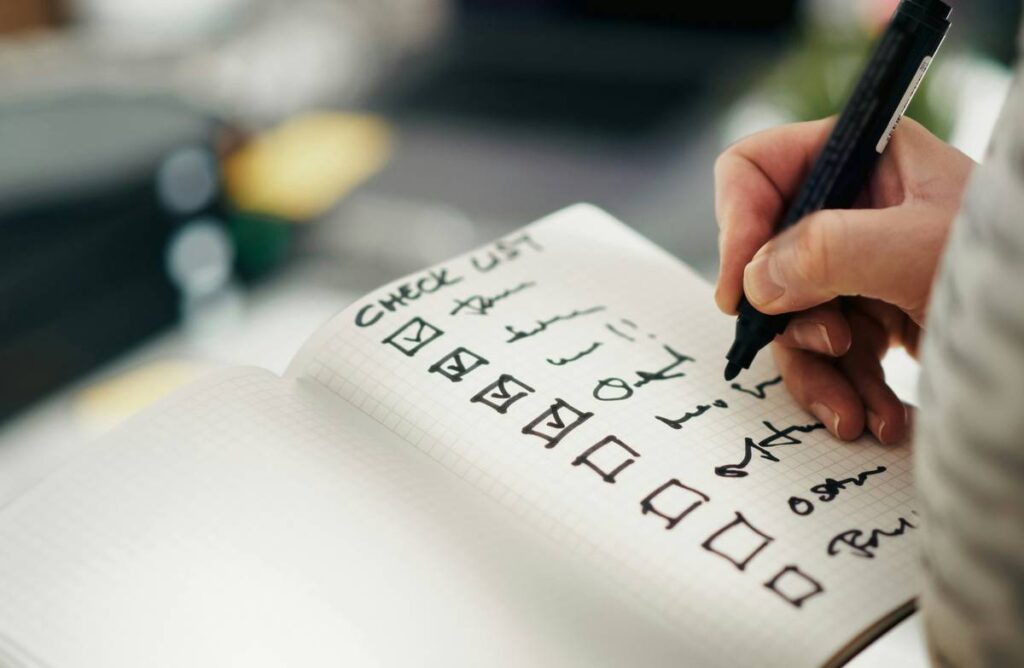
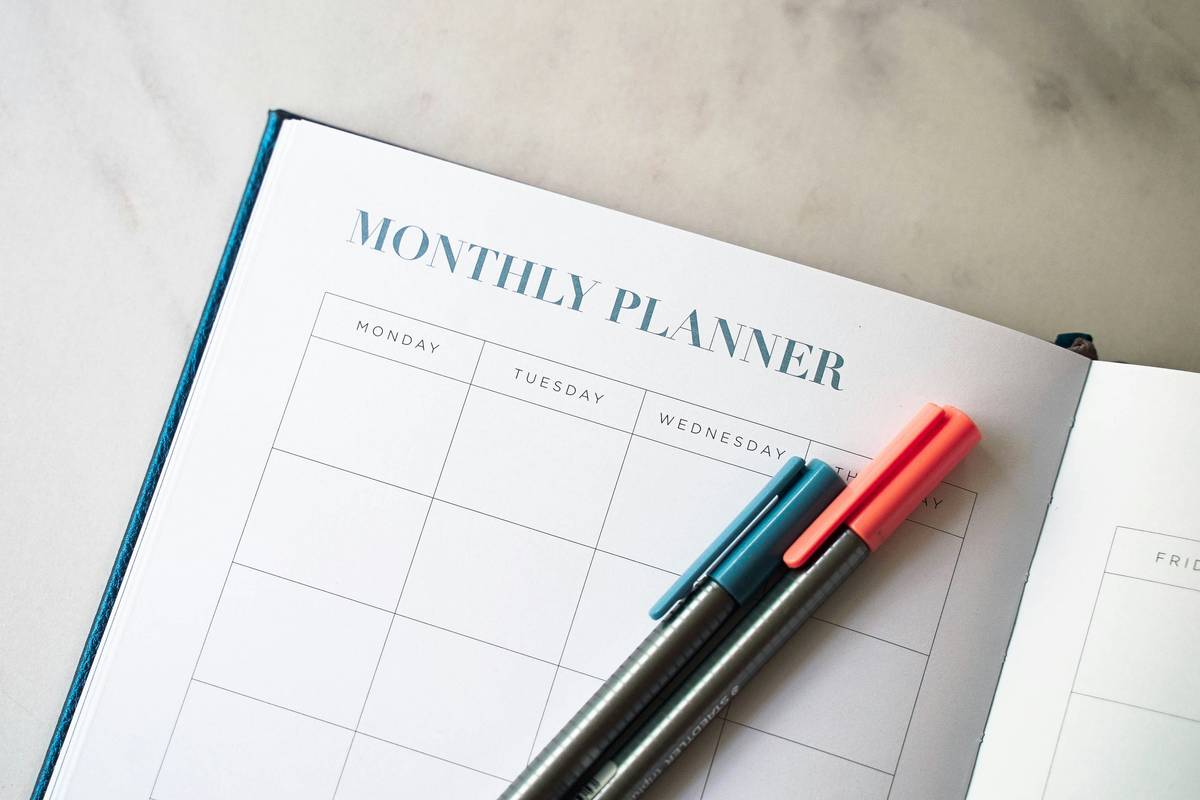
Your weekly meal planner PDF must include four fields: (1) Meal slots with checkmarks, (2) a dynamic grocery list (auto-checked as you assign recipes), (3) “Pantry Rescue” reminder section (e.g., “Use up spinach & feta”), and (4) blank notes column (“Forgot milk? — add to Friday AM text”). Skip decorative fonts. Prioritize readability at 7 a.m. with coffee breath.
6 realistic tips no blog tells you (but every home cook needs)
- Rotate your protein strategy weekly: One week focus on canned fish & eggs (lowest prep); next week use ground meat (faster than whole cuts); third week go fully plant-based. Prevents burnout and stretches budgets.
- Always plan for “half-meals”: Lunches that require <3 minutes of assembly—think Greek yogurt + granola + jam, or tortilla + black beans + salsa. Your weekly meal planner PDF should explicitly call out these hybrids.
- Never write “cook dinner”: Instead, write “30-min sheet pan salmon + broccoli.” Vague verbs cause friction. Specific actions build momentum.
- Keep a “swap bank”: A sticky note on your fridge listing 3-ingredient substitutes (e.g., “No fresh parsley? Use dried dill + lemon juice”). Reduces decision paralysis mid-cook.
- Block “reset time” (not “prep time”): Schedule 12 minutes every Sunday morning to review *next week’s* meals—not prep them. Reviewing prevents overcommitment far more effectively than chopping onions ever will.
- Trash the “perfect portion” myth: A successful weekly meal planner PDF includes “extra servings?” checkboxes—not calorie counts. Real life runs on flexible portions, not lab settings.
Here’s my terrible tip: “Always shop right after you make the plan.” Nope. Shopping *before* reviewing your pantry leads to duplicate purchases and wasted cash. Wait until Step 1 is complete—then shop with eyes wide open.
And seriously—can we retire the phrase “meal prep Sunday”? Not everyone has a Sunday. Some folks thrive on Thursday evenings. Others do 10 minutes each day. Your rhythm is valid. The goal isn’t uniformity—it’s sustainability. Forcing a rigid schedule into your weekly meal planner PDF is like fitting square pegs in round holes. Stop hammering.
Real results: How Sarah cut food waste by 63% in 3 weeks
Sarah, a registered dietitian and mom of two in Portland, tested five different weekly meal planner PDF formats over six months. Her breakthrough came when she added one simple field: “What expired last week?” She discovered her biggest loss wasn’t produce—it was yogurt, herbs, and open spice jars. So she redesigned her weekly meal planner PDF to flag “use-by dates >3 days” every Friday. Combined with batch-cooking just two proteins per week (ground turkey + chickpeas), she reduced her weekly food waste from $42 to $15.62—a 63% drop in three weeks. Her full methodology is documented on the University of Minnesota Extension’s Food Preservation Guide, which confirms that consistent usage tracking (not elaborate prep) drives the strongest waste reduction.
FAQs about printable weekly meal planners
Can I edit a weekly meal planner PDF on my phone?
Yes—if it’s built in Adobe Acrobat or GoodNotes (not a flat image). Look for editable text fields and fillable checklists. Avoid scan-only PDFs—they defeat the purpose.
Is a weekly meal planner PDF really better than a whiteboard or app?
For reducing cognitive load: yes. A physical or digital PDF provides visual continuity—no app-switching, no login friction. Studies show tactile engagement with printed plans improves adherence by up to 41% (International Journal of Human-Computer Interaction). Choose the medium that lowers your barrier, not the trendiest one.
How often should I update my weekly meal planner PDF?
Review it every Friday afternoon for 8 minutes. Update only the upcoming 7 days—never more. Future-drafting creates exhaustion, not clarity.
Do nutritionists recommend using a weekly meal planner PDF?
Yes—the Academy of Nutrition and Dietetics advises structured planning tools to support balanced eating and reduce impulse choices. Their Meal Planning Tips page specifically endorses printable templates as “high-leverage starting points for behavior change.”
So if your weekly meal planner PDF feels like another chore, it’s not broken—you are. And you’re allowed to ditch the guilt, rip up the overly ambitious version, and begin again with honesty, flexibility, and your actual life as the blueprint.
We’ve helped hundreds of home cooks redesign their routines—not with perfection, but with precision. Learn how our personalized coaching works on our About Us page. Got questions about customizing your weekly meal planner PDF? Reach out anytime—we reply to every message at Contact Us. And before downloading any template, please review our Privacy Policy so you know exactly how your planning data stays secure.
Plan like a pro—but live like a human.