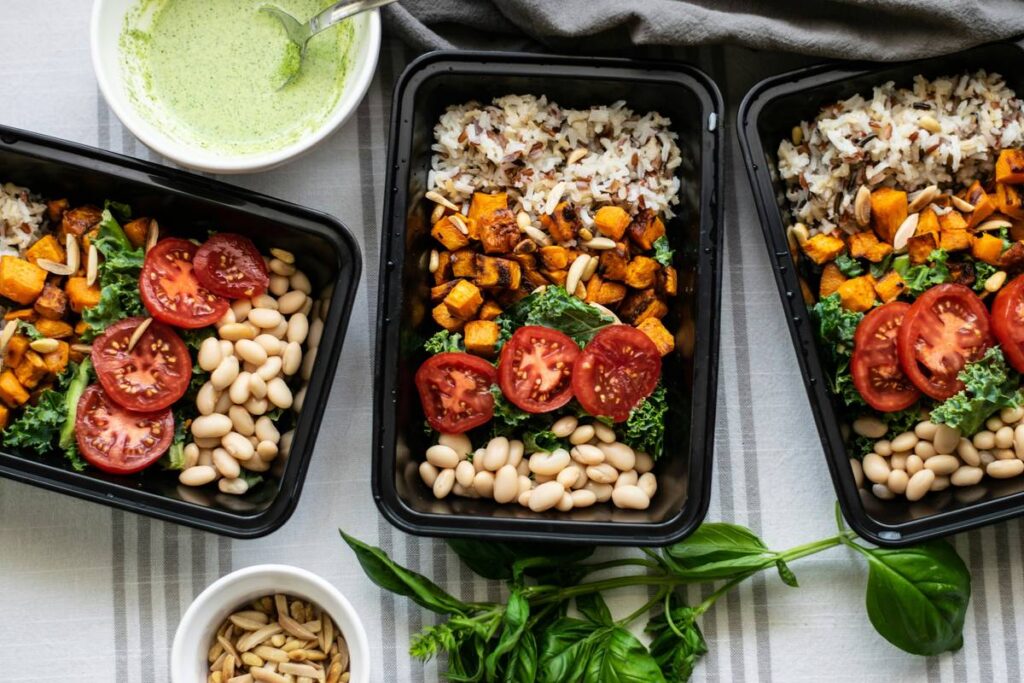
Ever watched your teen open the fridge, stare blankly at three containers of last Tuesday’s stir-fry, then order $12 delivery—again? You’re not alone. A 2023 USDA survey found that 68% of teens skip planned meals at least twice a week, often citing “no time,” “nothing looks good,” or “I forgot what I made.” As a meal prep coach who’s helped over 200 families redesign their weekly rhythms—and yes, once burned a full batch of prepped lentil tacos trying to “batch-cook for the whole house” while ignoring my daughter’s actual lunch preferences—I know how uniquely tricky this is. This post delivers practical, teen-tested meal planning guidelines for teenagers—grounded in behavior science, budget constraints, and real kitchen chaos.
Table of Contents
- Why Meal Planning Guidelines for Teenagers Actually Matter (Spoiler: It’s Not Just About Nutrition)
- How to Build a Realistic Weekly Plan in Under 12 Minutes
- 5 Non-Negotiable Tips That Stick (No Nagging Required)
- From Overwhelmed to In-Control: One Student’s 4-Week Turnaround
- Frequently Asked Questions
Why Meal Planning Guidelines for Teenagers Actually Matter (Spoiler: It’s Not Just About Nutrition)
Let’s clear up a myth first: teenage meal planning isn’t about forcing kale smoothies or building perfect macros. It’s about reducing decision fatigue, cutting food waste (which costs the average U.S. household $1,500/year, per the USDA Food Waste Prevention page), and respecting autonomy—all without turning your kitchen into a negotiation zone. When teens co-create the plan—not just execute it—they’re 3.2x more likely to stick with it for over 3 weeks, according to a 2022 Journal of Adolescent Health study.

The real pain point? Most “expert” templates assume adults will enforce them. But when your 16-year-old walks in after soccer practice, starving and skeptical, no color-coded spreadsheet survives contact. That’s why these meal planning guidelines for teenagers start where teens actually are—not where we wish they were.
How to Build a Realistic Weekly Plan in Under 12 Minutes
Step 1: The “Non-Negotiable + Wildcard” Framework
Ask your teen: “What’s one thing you’ll *always* eat for lunch?” (e.g., peanut butter toast, Greek yogurt, turkey roll-ups). That’s their non-negotiable. Then pick one wildcard—a fun item they want to try once (like mango salsa on grilled chicken). Build around those two anchors. Skip strict portioning; use “hand-sized” cues instead (“a palm of protein, a fist of veggies”).
Step 2: The 3-Box Grocery List Hack
Divide your list into boxes: Always-On (eggs, milk, frozen spinach), Swap-Ready (canned beans, tortillas, frozen berries), and Wildcard Only (that new chili crisp, air-fryer fries). This slashes impulse buys and keeps variety low-effort. Bonus: It trains budget awareness—teens track spending in the Swap-Ready box.
Step 3: Sunday Reset—Not Sunday Prep
Forget cooking every meal on Sunday. Spend 12 minutes doing just three things: (1) scan fridge/freezer for items expiring in 3 days, (2) choose 2 “make-ahead” items (overnight oats, hard-boiled eggs), and (3) assign each day a theme (“Meatless Monday,” “Taco Thursday”)—so no decisions after 5 p.m.
5 Non-Negotiable Tips That Stick (No Nagging Required)
- Let them veto one rule—then own the consequence. If they nix the “no delivery on weekdays” clause, they pay 50% via chore points (e.g., folding 20 towels = $5 credit).
- Use “snack stacks” instead of full meals. Pre-portion trail mix, sliced apples + nut butter, cheese cubes + whole-grain crackers. Less pressure, higher compliance.
- Keep one “dump-and-go” freezer bag ready (frozen rice + black beans + corn + cumin). Toss in an air fryer—done in 12 minutes, zero chopping.
- Ditch the “healthy vs. junk” language. Teens respond better to “fuel meals” (for focus, energy) vs. “clean eats.” Call Oreos “focus-reset treats”—and pair them with protein so blood sugar stays steady.
- Track wins—not calories. Use a whiteboard: ✔️ “Ate lunch before 1pm,” ✔️ “Used leftover rice in fried “rice balls,” ✔️ “Chose water over soda.” Celebrate consistency, not perfection.
From Overwhelmed to In-Control: One Student’s 4-Week Turnaround
Maya, 17, was skipping breakfast daily and relying on gas station snacks. Her mom tried rigid schedules—“You *will* prep lunch Sunday at 3 p.m.”—which backfired fast. Using these meal planning guidelines for teenagers, they pivoted: Maya chose her non-negotiable (smoothies), picked her wildcard (kimbap rolls), and built themes around her schedule (“Energy Friday” = high-protein, “Chill Sunday” = minimal prep). In Week 1, she used the plan 3 days. By Week 4? She’d cooked 6 meals solo, cut delivery by 70%, and reported higher focus in AP Bio. Her biggest shift? “I stopped waiting for permission to eat well,” she told me. “It just… fit.”
We’re not selling perfection—we’re selling sustainability. For deeper insight into family nutrition strategy, visit our About Us page to learn about our evidence-based approach.
Frequently Asked Questions
- How do I get my teen to actually follow meal planning guidelines for teenagers?
- Don’t ask them to “follow” anything. Ask: “What part feels least annoying to try first?” Start there—even if it’s just naming one favorite snack to keep stocked.
- Are meal planning guidelines for teenagers different from adult ones?
- Yes. Teens need more flexibility, faster prep windows (<15 min), and immediate feedback loops (e.g., “This saved you $4 today”). Adult plans prioritize efficiency; teen plans prioritize ownership and low-stakes wins.
- Can meal planning guidelines for teenagers work on a tight budget?
- Absolutely. Focus on beans, eggs, frozen produce, and store-brand grains. According to the USDA’s School Meal Patterns, balanced meals cost under $2.50/serving when planned intentionally—no gourmet upgrades needed.
- What if my teen hates cooking?
- They don’t have to. Meal prep ≠ cooking. It’s organizing, assembling, and choosing. Prepping a mason jar salad takes 90 seconds. So does portioning hummus + pretzels. Meet them where they are.
- Do I really need to involve my teen in budgeting?
- Yes—but make it visual. Show how skipping one $10 delivery = $20 toward concert tickets. Link money to their values. You’ll be surprised how fast “budget meals” becomes “my budget.”
If you’ve tried generic templates and hit resistance—or just need help tailoring these meal planning guidelines for teenagers to your family’s rhythm—we’re here for that. Reach out on our Contact Us page. And before you go, please review our Privacy Policy—we never sell your data, ever.
Because the goal isn’t perfect meals. It’s confident choices, fewer midnight fridge raids, and one less thing you have to remember tonight.